
Batch Testing Research Peptides: A Guide To Quality, Purity, and Verification
Evaluating research peptides involves more than checking a product label or reading a supplier’s description. Researchers may need to examine analytical results, batch identifiers, testing methods, and supporting documentation to understand what is known about a particular material. A consistent quality-review process can help laboratories maintain traceable records and identify questions that require further investigation. Understanding batch testing research peptides is useful for researchers who want to assess product documentation systematically. Everclear Peptides provides research product information and supporting documentation that researchers can review when evaluating peptide materials.
Reviewing batch-specific records helps researchers understand the available evidence and identify information that may require further clarification. Batch-level testing can provide information about the characteristics measured in a specific lot, while a Certificate of Analysis (COA) can help connect reported results to the material being reviewed.

What Is Batch Testing and Why Does It Matter ?
Batch testing is the analytical evaluation of a specific production lot or batch. Depending on the material and testing program, the evaluation may examine identity, purity, composition, or other specified characteristics.
Batch testing can support research quality assessment by helping researchers:
- Review analytical findings associated with a particular lot.
- Compare reported results with product specifications.
- Identify missing or inconsistent documentation.
- Maintain records for traceability and internal review.
- Ask more specific questions about the scope of testing.
However, testing provides evidence only about the characteristics examined. It does not automatically establish every aspect of a material’s quality, suitability, or handling history.
How Batch Testing Works for Research Peptides
The testing process depends on the product, the laboratory, and the quality attributes being evaluated. A testing program may include analytical techniques that examine purity or provide evidence supporting molecular identity.
Researchers should focus on what the reported methods can establish rather than relying on a general claim that a product has been tested.

Identifying the Correct Batch
The first step is connecting the material to its documentation. Check the product name and batch or lot number on the packaging, then compare them with the relevant COA and order records. If the identifiers do not match, ask the supplier to clarify the discrepancy.
Reviewing the Analytical Methods
Different analytical methods answer different questions. Reverse-phase high-performance liquid chromatography (RP-HPLC), for example, is commonly used to separate components and assess chromatographic purity. Mass spectrometry can provide mass-related information that supports an assessment of molecular identity. These methods are not interchangeable.
Understanding the Testing Results
Results should be interpreted in the context of the method and its limitations. Researchers should look for clearly identified measurements, units where applicable, batch details, and information about the testing organization. If a report presents a numerical purity result without explaining the method, it may be difficult to determine precisely what the figure represents.
What Should a Peptide Certificate of Analysis Include?
A Certificate of Analysis is an important part of research product documentation. It summarizes selected analytical findings and may help researchers understand which tests were performed on a particular material.
When reviewing a COA, look for the following details:
- Product identification:The name or identifier of the tested material.
- Batch number:An identifier that matches the product label.
- Testing methods:The analytical techniques used.
- Reported results:Findings for the characteristics that were examined.
- Testing date:Information showing when the analysis was performed.
Not every document will contain all these fields, and their absence does not automatically prove a product is defective. However, missing information may limit what can be concluded from the report.

How to Identify Documentation Gaps
Researchers should investigate inconsistencies such as a mismatched batch number, an unclear product name, missing testing methods, or results that lack sufficient context. It is also important to distinguish between a batch-specific COA and a general product specification.
The former reports findings associated with an identified lot, while the latter may describe expected characteristics without documenting the analysis of that particular batch. Keeping this distinction clear supports more accurate laboratory records.

The Role of Independent Testing
Independent testing may provide additional evidence when evaluating research materials. However, the phrase “third-party tested” alone does not explain which attributes were examined or whether the testing covered every relevant quality concern. Researchers should examine the available report, identify the testing organization where possible, and review the stated methods and findings.
The scope of the analysis matters more than a general testing claim. When reviewing third-party tested research peptides, researchers should look at the available product documentation and establish which claims are supported by the reported results.

Questions to Ask About Testing
Before drawing conclusions from a testing report, consider these questions:
- Does the report identify the correct product and batch?
- Which analytical methods were used?
- Are the results clearly presented?
- Is the testing organization identified?
- Are any limitations or missing details relevant to the research?
These questions help researchers distinguish between information that has been documented and claims that still require clarification.

How to Compare Results Across Different Batches
Comparing batches can help researchers understand whether the available analytical results are consistent over time. However, comparisons are meaningful only when the relevant information is sufficiently comparable. For example, results obtained using different analytical methods or reporting conventions may not be directly comparable.
A difference in reported purity could reflect a genuine difference in the material, a difference in analytical methodology, or both.

Supplier Documentation and Research Traceability
Reliable recordkeeping requires more than storing a single test report. Researchers may need to connect the product label, batch identifier, COA, order information, and relevant handling records. When reviewing research peptide documentation, look for information that helps explain the material’s identity, testing scope, and associated product records.
A clear documentation process can make it easier to review materials later, answer internal questions, and identify where supporting evidence is incomplete.
What Researchers Should Keep on File
A useful recordkeeping system may include:
- A copy of the original product label or batch details.
- Order and delivery records.
- Available shipping or temperature documentation when applicable.
- Supplier correspondence about missing or inconsistent information.
- Notes explaining the review outcome.
Records should be organized so that each report can be linked to the correct material. Researchers should also follow their institution’s documentation and retention policies.

Why Shipping and Storage Information Also Matters
Analytical testing and shipping records answer different questions. A COA may report selected characteristics of a material, but it does not necessarily establish how the product was handled during transportation. Where special handling requirements apply, researchers should review the relevant shipping policy and product-specific storage information. Packaging alone does not prove that a particular temperature was maintained throughout transit.
For more information about delivery procedures, review cold chain peptide shipping and consult the applicable product documentation for storage requirements. Researchers should document damaged packaging or unresolved handling concerns and follow their laboratory’s established procedures for reviewing potentially compromised materials.

Applying Batch-Review Principles to Different Research Products
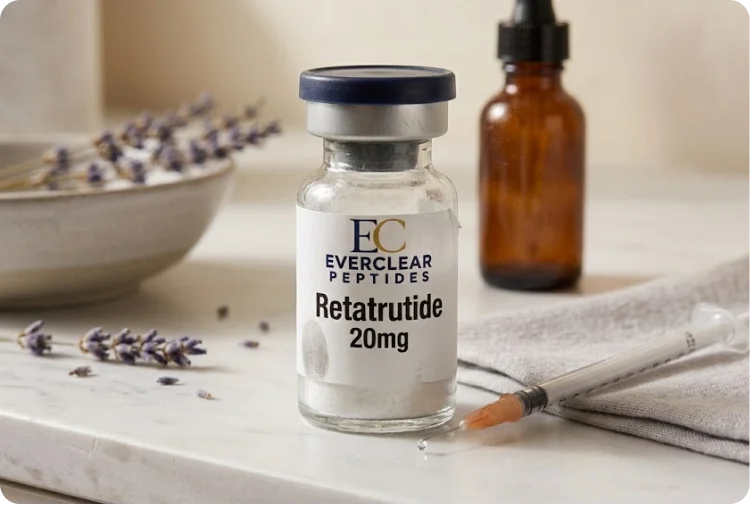
The same general documentation principles can be applied to different research materials, but the relevant tests and quality considerations may vary by product. For example, a retatrutide research peptide should be evaluated using the product’s own identifying information and available analytical records. Researchers should verify that the documents refer to the material and batch under review rather than relying on unrelated product information.
Similarly, a PT-141 research peptide should be reviewed according to its specific documentation and the analytical questions relevant to the research. Results from another product or batch should not automatically be applied to it. These examples illustrate the importance of product-specific records; they do not establish that any particular product or batch has passed a given test.
Common Mistakes to Avoid During Batch Testing Reviews
Even a structured review can be weakened by several common mistakes.
Relying only on marketing claims: Product descriptions do not replace analytical reports.
Ignoring batch identifiers: Always check that the COA matches the material being reviewed.
Confusing purity with identity: These are separate analytical questions and may require different methods.
Overlooking shipping records: Where special handling is required, transportation information may be relevant alongside analytical results.
Failing to keep documentation: Store COAs, product identifiers, and relevant correspondence in an organized recordkeeping system.

Conclusion
A consistent approach to batch testing research peptides helps researchers examine batch identifiers, Certificates of Analysis, analytical methods, and supporting records without relying solely on product descriptions. By following a consistent testing and documentation process, researchers can evaluate peptide batches more carefully and maintain records that support laboratory quality-control procedures. Everclear Peptides provides product information that researchers can review alongside batch-specific documentation when evaluating research materials.

Frequently Asked Research Questions
What Is Batch Testing for Research Peptides?
Batch testing is the analytical evaluation of a particular product lot. Depending on the testing program, it may provide information about identity, purity, or other specified characteristics.
Why Is a Batch Number Important?
A batch number connects a product to its associated records. It helps researchers determine whether a COA and other documents correspond to the material they actually received.
Does a COA Guarantee Peptide Quality?
No. A COA reports findings from specified tests. Its usefulness depends on the methods, results, and information provided, and it may not address every quality attribute or handling concern.
What Is the Difference Between Purity and Identity Testing?
Purity testing evaluates a material according to a particular analytical measurement, while identity testing helps determine whether it corresponds to the intended substance. Different techniques can provide complementary information.
What Should Researchers Do if Testing Documentation Is Incomplete?
Record the missing information, contact the supplier for clarification, and follow the laboratory’s established quality procedures. Do not treat undocumented claims as verified findings.